
6 Benefits of Visiting a Car Accident Doctor Early
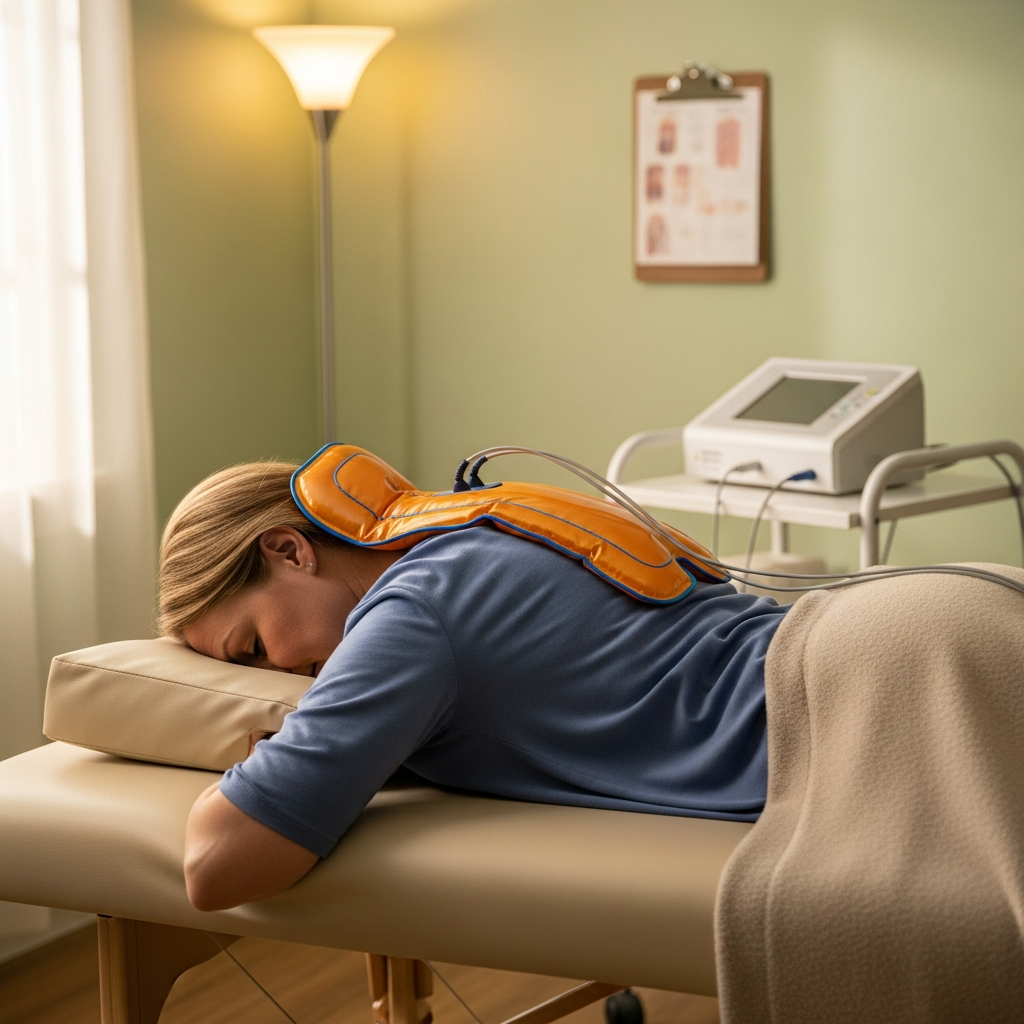
You felt fine. That’s the thing that gets most people – you walked away from the accident, maybe exchanged insurance information, maybe even drove yourself home. Your neck was a little stiff, sure, but nothing felt broken. Nothing felt *serious*. So you did what most reasonable people do: you figured you’d wait and see.
And then you woke up three days later and could barely turn your head.
Sound familiar? If you’ve ever been in a car accident – even a minor one, the kind where both cars drove away – you probably know that strange limbo period afterward. That weird waiting game where you’re not sure if you’re actually hurt or just a little shaken up. Where you don’t want to be dramatic about it. Where part of you genuinely wonders if seeing a doctor would be overreacting.
Here’s what most people don’t realize until it’s too late: that waiting game can cost you. A lot.
And we’re not just talking about your health, though that’s obviously the big one. We’re talking about your recovery timeline, your ability to sleep through the night without pain, your legal options if you need them, your insurance claim, your *life* returning to normal. All of that can hinge on a decision you make – or don’t make – in those first few days after a crash.
The human body is actually pretty remarkable at masking trauma. It sounds like a good thing, but it really isn’t, not in this context. When you’re in an accident, your body floods with adrenaline and cortisol – your fight-or-flight response kicks in hard – and those stress hormones are genuinely excellent at temporarily suppressing pain signals. So you might feel okay, maybe even completely fine, while soft tissue damage, spinal misalignment, or even a mild traumatic brain injury is quietly doing its thing under the surface.
That’s not dramatic exaggeration, by the way. That’s just biology.
What makes car accident injuries particularly tricky is that so many of the most common ones – whiplash, herniated discs, soft tissue injuries – are notorious for delayed symptoms. We’re talking 24 to 72 hours sometimes, occasionally longer. So by the time you actually *feel* how hurt you are, inflammation has already set in, your body has started compensating (which means creating new problems to offset the original ones), and you’ve lost days that could have been spent on early treatment.
Actually, that compensation piece is worth pausing on for a second. When one part of your body hurts, your nervous system is brilliantly adaptive – it’ll shift how you carry yourself, how you walk, how you hold your head. You don’t even notice you’re doing it. But over time, those compensatory patterns create muscle tension, joint stress, and pain in areas that had nothing to do with the original injury. We see this constantly. Someone comes in weeks after an accident saying their lower back is killing them… and the root cause is actually an untreated neck issue from the crash.
Early intervention interrupts that whole cascade before it starts.
That’s really the core of what we want to walk you through in this article. Because the six benefits of seeing a car accident doctor early aren’t abstract or theoretical – they’re practical, they’re real, and honestly, they might be more far-reaching than you’d expect. We’re going to talk about catching hidden injuries before they become chronic problems, about how documentation from an early medical visit can protect your legal and financial interests (more important than most people think), about the difference early treatment makes in *actual recovery time*, and more.
Some of this might surprise you. Some of it might feel a little overwhelming if you’re currently sitting in that post-accident waiting period, unsure what to do next. That’s okay. Understanding why early care matters is genuinely the first step toward making a good decision for yourself.
And here’s the thing – you don’t have to be in excruciating pain to deserve a thorough evaluation. You don’t have to prove you’re hurt badly enough. If you were in an accident, your body went through something significant, and you deserve to know what’s actually going on inside it.
Let’s get into it.
Your Body After a Crash: What’s Actually Happening
Here’s something that trips a lot of people up – a car accident doesn’t just hurt you in the obvious ways. Yes, there’s the immediate stuff you can feel. But underneath that, your body is doing something fascinating and, honestly, a little sneaky.
The moment of impact triggers a massive stress response. Adrenaline and cortisol flood your system almost instantly – we’re talking milliseconds – and those hormones are remarkably good at their job. They dull pain, sharpen your focus, and basically convince your body that it’s fine to deal with the emergency at hand. Think of it like a circuit breaker tripping during a power surge. The system cuts off certain signals to protect the whole. Really useful when you need to drag yourself out of a wrecked vehicle. Not so useful when it’s masking a serious spinal injury a few hours later.
This is why so many people walk away from crashes feeling okay… and then wake up two days later barely able to turn their heads.
The Inflammation Window (And Why Timing Matters)
Your body’s healing response is genuinely impressive, but it’s also kind of indiscriminate. After trauma – even the low-speed fender-bender kind – your soft tissues, joints, and muscles start an inflammation process that’s meant to protect and repair damaged areas. That’s the good news.
The less-good news? Inflammation doesn’t always know when to stop. It can cascade, spreading beyond the original injury site, creating scar tissue in places where you really don’t want scar tissue, and building compensation patterns as your body unconsciously tries to protect the sore spots. You start walking differently, holding your shoulders differently, sleeping in weird positions – and suddenly your hip hurts even though it was never involved in the accident.
Actually, that reminds me of a good analogy for this. Imagine a small water leak in your wall. Fix it on day one? Relatively simple. Wait three weeks because it “doesn’t look that bad”? Now you’ve got mold, warped drywall, and a significantly bigger problem than you started with. Injuries work similarly. Early intervention interrupts that cascade before it compounds.
Why “I Feel Fine” Is the Most Dangerous Thing You Can Say
This isn’t meant to scare you – it’s just genuinely counterintuitive, and you deserve to understand it. Whiplash, soft tissue damage, and even certain concussive symptoms can have delayed onset of 24 to 72 hours. Sometimes longer. The research on this is pretty consistent, and it surprises people every time.
So when you decline medical evaluation because you feel okay right now, you’re essentially trusting a nervous system that’s currently operating under an enormous chemical fog to accurately assess your own injuries. That’s… not a great diagnostic strategy, to be honest.
A car accident doctor – usually someone trained in traumatic injury evaluation, often through specialties like chiropractic medicine, orthopedics, or emergency medicine – knows how to look past the “I feel fine” presentation and identify what’s happening structurally. They’re trained to catch the things your adrenaline is temporarily hiding from you.
What a Car Accident Doctor Actually Does Differently
Worth clarifying here because “car accident doctor” isn’t always a formal title – it’s more of a descriptor for medical professionals who specialize in, or have significant experience with, post-collision injuries. And they approach evaluation differently than, say, your regular GP might.
They’re specifically looking for the patterns that emerge from impact trauma. Cervical spine alignment. Soft tissue tension. Signs of concussion that aren’t the cartoon-stars-and-birds kind. They’re also documenting everything in a way that matters medically and legally, which – whether you plan to file a claim or not – is important to have on record.
Think of it the way you’d think about a structural engineer versus a general contractor. Both know buildings. But if you’re worried about whether your foundation shifted after an earthquake, you want the specialist.
The Connection Between Early Care and Long-Term Outcomes
Here’s what the research keeps showing: patients who seek evaluation and begin treatment within the first few days after an accident tend to have significantly better long-term outcomes than those who wait. Less chronic pain. Faster recovery. Lower rates of developing persistent conditions like post-traumatic headaches or degenerative joint issues down the road.
Early care doesn’t just treat what’s wrong right now. It actively changes the trajectory of what might go wrong later. That distinction matters more than most people realize when they’re standing in a parking lot, shaken but apparently okay, deciding whether to bother making an appointment.
Don’t Wait for Pain to Find You
Here’s something most people don’t know: the adrenaline dump your body releases during a crash can mask pain for 48 to 72 hours. Sometimes longer. So that “I feel fine” feeling after an accident? It’s not your body telling you you’re okay – it’s your body running on emergency fuel. By the time that fuel burns off, inflammation has already set in, and you’re playing catch-up.
This is why the window matters. See a car accident doctor within 24 to 72 hours of the crash. Not next week when it’s convenient. Not after you’ve “waited to see how you feel.” Now.
What to Actually Bring to Your First Appointment
Most people show up empty-handed and then struggle to remember details when the doctor’s asking questions. Don’t do that. Bring everything – even the stuff that seems irrelevant.
– The police report or case number (or both, if you have them) – Your insurance information, including the other driver’s if you have it – A written timeline of the accident – where you were, what happened, what direction the impact came from – Photos of your vehicle damage (the severity of the crash tells the doctor a lot about what forces your body absorbed) – Any symptoms you’ve noticed, even vague ones like “I just feel off” or “my sleep has been weird”
That last one matters more than people think. Neurological symptoms after a crash often show up as sleep disruption, irritability, or difficulty concentrating before they show up as headaches. Mention everything.
Ask These Specific Questions
Most people walk out of a first appointment not really knowing what comes next. So ask directly
“What injuries could be hiding right now that we might not see yet?” A good car accident doctor will walk you through delayed-onset conditions like whiplash, soft tissue damage, or even mild traumatic brain injury – and tell you what symptoms to watch for.
“What documentation will you provide for my insurance claim?” This is huge. You want a doctor who understands the medical-legal side of accident injuries, not just someone who’ll hand you a prescription and send you home.
“Do you coordinate with attorneys or insurance adjusters?” Some clinics do, some don’t. Knowing this upfront saves you a lot of headaches later.
Keep a Symptom Journal – Seriously
This sounds tedious, I know. But here’s the thing – insurance companies are very good at arguing that your pain developed “later” and wasn’t related to the accident. A daily symptom journal is one of the most powerful tools you have against that argument.
Just a few sentences each day. Note your pain level on a scale of one to ten, where you feel it, what made it better or worse, and whether it affected your ability to work, sleep, or do normal things. Even entries like “headache again today, couldn’t focus at work” build a picture over time that no adjuster can easily dismiss.
Keep it in your phone’s notes app so you actually do it.
Follow Through on Every Referral
If your car accident doctor refers you to a specialist – a neurologist, a physical therapist, an orthopedic surgeon – go. Don’t skip appointments because you’re feeling better that week. Gaps in your treatment record are actually used against you in claims. Insurance companies interpret “stopped going to PT” as “must have been healed,” even if you’re still struggling.
Think of your medical record right now as a paper trail you’re building. Every visit, every referral followed through on, every documented symptom – it all tells the story of what this accident actually cost you.
One More Thing People Always Forget
Take photos of yourself in the days after the accident. Bruising, swelling, cuts – things that fade fast and leave no official record. Your doctor will document injuries clinically, but visible evidence from your own camera adds another layer of documentation that’s harder to dispute.
And if something feels wrong – even weeks later, even something that seems unrelated – call your car accident doctor. Don’t diagnose yourself with “it’s probably nothing.” Delayed complications are real, they’re common, and they’re exactly what your initial treatment relationship is there to support.
When Life Gets in the Way of Getting Help
Let’s be real for a second. You know you should probably see a doctor after your accident. Somewhere in the back of your mind, that little voice is saying “get checked out.” But then… life happens. The car needs to be dealt with. Your boss is calling. You’re playing phone tag with the insurance company. And honestly, you feel okay-ish, so you keep pushing it to tomorrow.
Tomorrow has a funny way of becoming next week.
Here are the real obstacles people run into – and what actually helps.
“I Don’t Have Time for This”
This is probably the number one thing people say. And look, it’s not an excuse. Life genuinely doesn’t pause after a car accident. You’ve got kids, jobs, obligations that don’t care about your fender bender.
But here’s the thing most people don’t realize – medical clinics that specialize in accident injuries are set up specifically for this. They’re not your regular doctor’s office where you’re waiting three weeks for an opening. Many have same-day or next-day appointments. Some even have evening and weekend hours. It’s worth one phone call to find out what’s actually available before you assume you can’t fit it in.
The visit itself might take less time than you think. We’re talking a couple of hours, not a whole day.
The “I Feel Fine” Problem
This one’s tricky because it feels completely logical. If you’re not in serious pain, why sit in a waiting room? The answer is a little uncomfortable: some of the most serious injuries don’t hurt right away.
Whiplash, soft tissue damage, even certain spinal injuries can be nearly symptom-free for 24 to 72 hours – sometimes longer. Your body floods itself with adrenaline after a trauma, and that’s genuinely good at masking pain. It’s basically your built-in emergency system doing its job. The problem is when it wears off and suddenly you understand why people talk about waking up the day after an accident barely able to move.
Getting evaluated while you feel fine isn’t unnecessary. It’s actually the ideal time, because a doctor can document your baseline and catch things you’d never notice yourself.
Dealing With Insurance Confusion
Okay, this is where a lot of people completely freeze. Who pays for this? Do you use your health insurance? The other driver’s? Your own auto policy? It’s genuinely confusing, and the fear of getting stuck with a huge bill is enough to make anyone procrastinate.
Here’s something that helps: most accident injury clinics deal with this every single day. They understand how personal injury protection (PIP) coverage works, how to coordinate with auto insurance, and what documentation insurers actually need. Ask specifically when you call – “do you work with auto insurance claims?” A good clinic will walk you through it. You shouldn’t have to figure this out alone, and you don’t have to.
When the Paperwork Feels Overwhelming
Between police reports, insurance forms, and now medical records… it can feel like accident recovery is basically a part-time job you didn’t apply for. Actually, the medical documentation piece is worth embracing rather than avoiding, because those records become your paper trail if you ever need to make a claim or dispute something later.
Think of it like keeping receipts. Annoying in the moment, invaluable when something goes sideways.
Ask your doctor’s office what documentation you’ll receive and how to store it. Most will provide detailed records automatically. Some clinics will even communicate directly with your attorney or insurance adjuster if needed – one less thing on your plate.
The Embarrassment Factor (Yes, This Is Real)
Some people put off medical care because they feel awkward. Maybe the accident was minor. Maybe they worry about looking like they’re “making a big deal” out of something small. This is especially common when the other driver seemed nice, or when there wasn’t obvious damage to either car.
Here’s an honest truth – your health doesn’t care how minor the accident looked. Low-speed collisions can and do cause real injuries. You’re not being dramatic. You’re being smart.
No doctor who treats accident injuries is going to roll their eyes at you for coming in. They’ve seen it all. Getting checked out after any collision is just basic, sensible self-care – the same way you’d get a cut looked at if it might need stitches.
What to Actually Expect When You Start Treatment
Let’s be honest with you here – because we think you deserve straight talk more than cheerful promises. Recovery from a car accident injury isn’t a straight line. It’s more like… that one road you know with all the potholes and unexpected detours. Some days you’ll feel like you’re making real progress. Other days you might wonder if anything is working.
That’s normal. That doesn’t mean treatment isn’t helping.
Most soft tissue injuries – the whiplash, the muscle strains, the ligament sprains that are so common after collisions – take anywhere from 6 to 12 weeks to meaningfully improve with consistent treatment. More complex injuries involving discs or nerves can take longer. Your doctor will give you a more personalized timeline at your first visit, but go in prepared for a process, not a quick fix.
The First Few Appointments Feel Slow (That’s Okay)
Your first visit is mostly about gathering information. Your doctor will ask about the accident, your symptoms, your medical history. There will probably be a physical exam, and depending on what they find, imaging like X-rays or an MRI might be ordered. You might leave that first appointment thinking “we didn’t really *do* anything yet” – and honestly, that’s pretty common.
The early visits are about building a picture of what’s actually going on inside your body. Rushing straight to aggressive treatment before understanding the injury is a little like a mechanic replacing parts without running diagnostics first. You want them to know what they’re dealing with.
By weeks two and three, you should start to have a clearer treatment plan in place – whether that’s physical therapy, chiropractic care, pain management, or some combination. That’s usually when things start to feel more active and intentional.
Pain May Get Worse Before It Gets Better
This is the part nobody loves to hear, but it’s worth knowing ahead of time. When you start physical therapy or chiropractic adjustments, your body is being asked to move in ways it’s been guarding against since the accident. That can stir things up temporarily.
Some soreness after treatment sessions – especially early on – is completely normal. It doesn’t mean something went wrong. Think of it the way you’d think about starting a new workout routine after months on the couch. Your muscles and joints are adapting. The goal is that this temporary discomfort gives way to genuine, lasting improvement.
If something feels significantly worse or you develop new symptoms, absolutely tell your doctor. That’s always worth a conversation. But mild post-treatment soreness? That’s usually just the process.
Your Role in Recovery Matters More Than You Might Think
Here’s something your doctor will probably tell you too – your participation in recovery has a real impact on outcomes. Showing up consistently to appointments, doing any home exercises you’re given, following activity guidelines… these things genuinely move the needle.
Actually, one of the most common reasons people plateau in recovery is inconsistency. Life gets busy, you start feeling a little better and skip a few appointments, and then a month later you’re wondering why progress stalled. It’s not a judgment – it happens to almost everyone at some point. Just something to be aware of going in.
When to Follow Up If Something Changes
Treatment plans aren’t set in stone. If your symptoms shift – new pain showing up, old pain getting significantly worse, symptoms spreading somewhere unexpected – that’s your cue to contact your provider before your next scheduled appointment. Don’t just wait it out hoping it’ll resolve.
The same goes for anything that feels neurological – numbness, tingling, weakness in your arms or legs. Those symptoms warrant prompt attention.
Taking That First Step
The hardest part, honestly, is often just making the call. A lot of people sit with discomfort for days or weeks, hoping it’ll just go away on its own, talking themselves out of coming in. And sometimes minor things do resolve. But with accident injuries, the window for getting the best possible outcome is real – and earlier really does matter.
You don’t need to have all the answers before you come in. You don’t need to know exactly what’s wrong or be able to perfectly describe every symptom. Just come in. Let a doctor who specializes in this kind of injury take a look. That’s the whole first step – nothing more complicated than that.
Getting checked out after a car accident isn’t about being dramatic or assuming the worst. It’s about being smart. It’s about knowing that your body just went through something genuinely traumatic – even if it didn’t feel that way in the moment – and giving it the same attention you’d give a crack in your home’s foundation. You wouldn’t just throw a rug over it and hope for the best, right?
The thing is, most people who skip that early appointment aren’t being careless. They’re being human. They feel okay, they’re stressed, they’ve got a million things to deal with, and a doctor’s visit feels like one more item on an already overwhelming list. That makes complete sense. But those hidden injuries – the ones quietly brewing beneath the surface – don’t care how busy you are. They just keep developing, and they get much louder over time.
Here’s what we hope you take away from everything we’ve covered: early care isn’t just about treating pain. It’s about protecting your health, your recovery timeline, and honestly, your peace of mind. There’s something really reassuring about having a professional look you over and actually document what’s happening in your body. No more wondering if that stiff neck is just stress or something more. No more googling your symptoms at midnight and spiraling. You get real answers from someone who understands exactly how crash-related injuries work.
And the legal and financial side of things? That stuff matters too. We know it feels uncomfortable to think about “building a case” when you’re just trying to feel better – but the reality is, having proper medical documentation from day one protects you. It protects you from insurance companies who’d love nothing more than to argue your injuries weren’t serious. It protects your ability to access compensation that could cover the very treatment you need. Seeing a doctor early isn’t a strategy. It’s just… the right move, on every level.
Actually, that’s probably the simplest way to put it: you deserve proper care. Not rushed care, not “wait and see” care – thorough, specialized care from someone who knows what to look for after a crash.
—
If you were in an accident recently – even if it was minor, even if you feel mostly fine – we’d genuinely encourage you to reach out and get evaluated. Not because something is definitely wrong, but because finding out either way gives you so much more control over what comes next.
Our team is here for exactly this. We work with accident patients every day, and we understand that walking through the door can feel like a big step. It doesn’t have to be. A conversation costs nothing, and it could honestly change the entire trajectory of your recovery.
You don’t have to figure this out alone, and you don’t have to keep second-guessing how you feel. Reach out to us whenever you’re ready – whether that’s today or after you’ve had some time to think. We’ll meet you exactly where you are, answer your questions honestly, and make sure you have everything you need to heal well.
Your health showed up for you every day before this accident. Now it’s time to show up for it.